

Creating a nurturing environment at home is crucial for the early development of children. The experiences and interactions that children have in their home environment can significantly impact their cognitive, emotional, and social growth. Home stimulation involves providing children with activities and interactions that encourage learning and development.
Why home stimulation matters
During the early years, children’s brains develop rapidly. Home stimulation plays a vital role in this process by encouraging neural connections and fostering curiosity. Engaging activities and a loving environment can enhance a child’s problem-solving skills and creativity.
Research indicates that children who receive adequate home stimulation tend to perform better academically and socially. They are more likely to develop strong language skills, emotional intelligence, and resilience. This foundation can lead to lifelong benefits, underscoring the importance of proactive engagement.
Simple ways to stimulate young minds
Parents and caregivers can incorporate simple yet effective activities into daily routines to stimulate young minds. Here are a few suggestions:
– Read together regularly to build language skills and imagination.
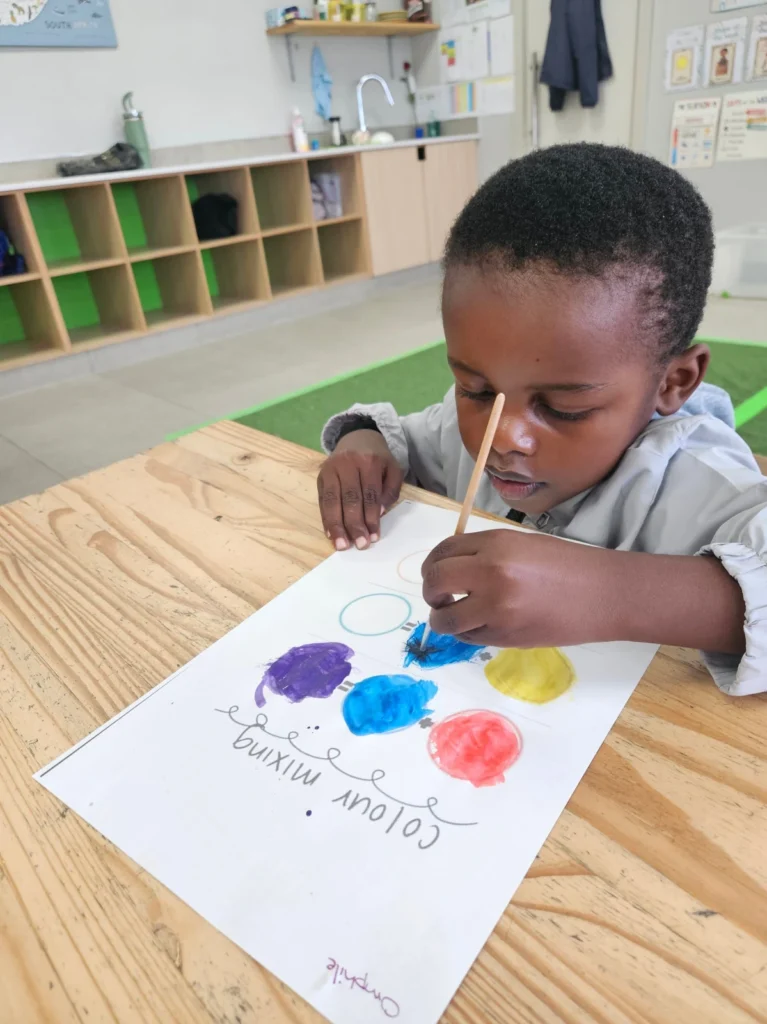
– Encourage creative play with building blocks, puzzles, and art supplies’
– Explore the outdoors to foster curiosity and a love for nature.
The power of play
Play is a powerful tool for learning. It allows children to explore the world around them, experiment with new concepts, and develop social skills. Through play, children learn to navigate their emotions, collaborate with others, and solve problems creatively.
Structured activities, like board games, can teach children about rules and fair play, while unstructured playtime encourages imagination and self-expression. Balancing both types of play is essential for holistic development.
The role of caregivers
Caregivers play a pivotal role in facilitating home stimulation. By being actively involved in a child’s learning process, they can tailor experiences to suit the child’s interests and developmental stage. Encouraging questions, engaging in meaningful conversations, and providing a supportive atmosphere can make a significant difference.
Moreover, positive reinforcement and encouragement can boost a child’s confidence and willingness to try new things. Celebrating small achievements helps build a growth mindset, encouraging children to embrace challenges and learn from their experiences.
Conclusion
In conclusion, home stimulation is a vital component of early childhood development. By creating a stimulating and supportive environment, caregivers can contribute significantly to a child’s overall growth. The investment in a nurturing home environment pays dividends in the form of a well-rounded, confident, and capable individual.